How nails change after 50
Nails undergo measurable changes with age that affect their appearance, strength, and susceptibility to infection. The most visible change is growth rate: nail growth slows from approximately 3.5 mm per month in young adults to around 2 mm per month by the late fifties — a 40% reduction that means infections take longer to grow out even when treatment is effective. Nail texture changes include increased longitudinal ridging (lines running lengthwise), greater surface irregularity, and a gradual dullness in natural nail lustre. The nail plate often thickens, particularly in the toenails, as the matrix cells that produce the nail plate become less efficient.
Nail plate chemistry also changes: reduced water content makes nails more brittle and prone to splitting. Lipid content in the nail plate decreases, reducing its natural barrier function and flexibility. These structural changes collectively increase vulnerability to both physical damage and microbial invasion.
Why fungal infections increase with age
Toenail fungal infection (onychomycosis) affects approximately 18-20% of adults over 60, compared to around 3-4% of adults in their twenties — a more than fourfold increase in prevalence. Multiple factors drive this age-related increase. The immune system’s ability to identify and respond to fungal infections decreases with age (immunosenescence). Circulation to the extremities becomes less efficient, reducing the delivery of immune cells to the nail environment. Structural nail changes (slower growth, increased porosity, thickening) create more entry points and a less hostile environment for fungal establishment.
Comorbidities that become more common with age also increase fungal risk: diabetes (impairing immune response), peripheral vascular disease (reducing extremity circulation), and reduced mobility (limiting foot care access). These overlapping factors explain why nail fungal infection is disproportionately common in older adults and why it is often more persistent and harder to resolve in this population.
View KlaroNail formula and current pricing on the official site.
✦ View KlaroNailCirculation and nail growth after 50
Nail plate health depends on adequate blood supply to the nail matrix — the cells at the base of the nail that produce new nail tissue. As peripheral circulation decreases with age, the nail matrix receives less oxygen and fewer nutrients, contributing to slower and thinner nail growth. This circulatory reduction also means that immune cells (including natural killer cells and neutrophils that are the first line of defence against fungal invasion) reach the nail area less efficiently.
Physical activity that supports cardiovascular fitness and peripheral circulation is therefore directly beneficial for nail health in older adults — not merely through general health effects but through the specific mechanism of improved nail matrix blood supply. Regular walking, cycling, or swimming all support peripheral circulation in the lower extremities where toenail problems are most common.
Daily nail care habits for older adults
Several practical daily habits reduce nail fungal risk and support nail health after 50. Keep nails trimmed short and straight-cut to reduce the surface area available for fungal colonisation and prevent trauma from long nails catching on surfaces. Dry feet thoroughly after washing — particularly between the toes where moisture accumulates. Wear breathable socks and rotate footwear to allow complete drying between uses. Avoid sharing towels, nail clippers, or footwear. Change socks after heavy sweating. Use protective footwear (flip-flops) in public pool and gym shower areas. Inspect nails regularly for early signs of discolouration or texture change — the earlier a concern is noticed and addressed, the simpler the management.
Natural topical support
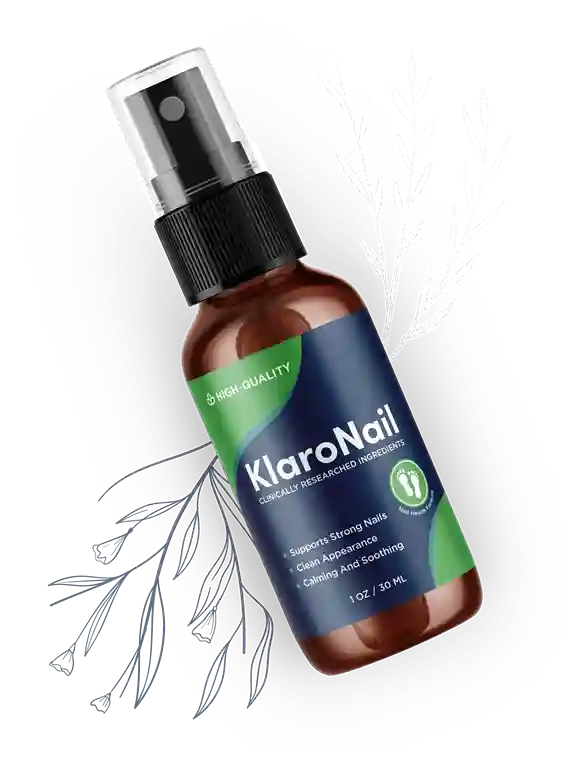
Daily topical nail care with a natural botanical spray like KlaroNail provides ongoing preventive maintenance alongside the hygiene habits above. Tea Tree Oil, Undecylenic Acid, and Clove Bud Oil provide continuous natural antimicrobial contact at the nail surface. The nourishing oils (Flaxseed, Chia Seed, Sweet Almond, Walnut, Vitamin E) address the age-related structural changes in the nail plate — reduced lipid content, increased brittleness, and decreased moisture retention. Manuka Honey and Aloe Vera maintain the health of the skin around nails, reducing the micro-cracks and dryness that allow fungal entry. For adults over 50, a consistent daily natural nail spray is a practical and accessible component of a complete nail health strategy.
More articles
More on the KlaroNail blog. Official site for pricing.